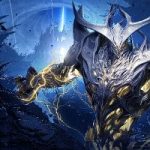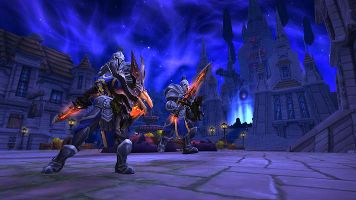

Horrific Visions return in patch 11.1.5, just as The War Within reaches its end. Originally introduced in Battle for Azeroth, these instances were more than just gameplay; they were narrative gut-punches. For players, it’s a fun chance to chase loot and transmogs, but narratively, this is more than a nostalgia trip. These aren’t just corrupted cities: they’re warnings.
With Xal’atath rising and the World Soul’s fate in flux, these visions remind us what’s at stake. The horror isn’t some distant threat—it’s inside the people and places we trust most. Horrific Visions twist the heart of faction capitals and corrupt the characters we’ve spent years questing beside. They’re emotionally jarring not just because of what we see, but who we see, each corrupted version a dark echo of the legacy we’ve fought for or against. This piece breaks down who these characters are, where we’ve seen them before, and why their fall in these visions cuts so deep, and what might happen if these visions come true.
Stormwind Horrific Vision – Shadows of the Alliance’s Heart
Alleria Windrunner (Cathedral): First introduced in Warcraft II and later reintroduced in Legion, Alleria is a fan-favorite hero of the Alliance and the first mortal to successfully wield Void magic without succumbing to madness. Throughout The War Within, she has remained a central figure, guiding players through underground horrors, helping unearth ancient secrets, and walking the fine line between power and corruption. Her fall here is chilling because she’s already walking the razor’s edge in canon, often pushing back against warnings from Turalyon and the Lightbound. Seeing her fully embraced by the Void in the vision could foreshadow a fracture in the Alliance leadership or worse, a splinter faction built around her worldview. If this version of Alleria were real, Azeroth wouldn’t just face a tactical threat, but an ideological one, led by someone who understands both the Light and Void intimately and no longer fears the consequences of wielding either.
Therum Deepforge (Dwarven District): A quiet figure in the background of Stormwind’s infrastructure, Therum has been part of the city’s fabric since Vanilla WoW. As the royal armorer and smith of the House of Wrynn, he represents consistency, loyalty, and the unseen hands that hold a kingdom together. His corruption into a Dark Iron dwarf isn’t just a visual change. It suggests the terrifying reach of N’Zoth’s corruption. The Dark Iron clan’s uneasy integration into Ironforge society was hard-won, and this vision doesn’t show a political fracture so much as a symbolic collapse of unity and resistance. If this version of events came to pass, Stormwind would lose one of its strongest industrial allies, including access to siege weapons, armaments, and critical craftsmanship. The threat here isn’t just one dwarf falling, it’s the idea that even the most steadfast allies, even those who never sought the spotlight, can be lost if the Void goes unchecked.
Slavemaster Ul’rok (Trade District): Created specifically for the Horrific Visions, Ul’rok is a n’raqi: a faceless one, and one of the oldest, most terrifying lieutenants of the Old Gods. These beings were the overseers and enforcers of the Black Empire, managing labor, control, and the systematic subjugation of entire civilizations. Their presence in the Trade District is no accident. It signals Void dominance over commerce, power, and societal structure. If creatures like Ul’rok were to manifest fully in the real world, they wouldn’t just bring physical ruin. They would reconstruct society itself under a model of fear, exploitation, and psychological enslavement, repeating the sins of the Black Empire not through brute force alone, but through enforced systems of obedience, paranoia, and unrelenting surveillance.
Mathias Shaw (Old Town): We first meet Shaw in Vanilla WoW as the leader of SI:7, Stormwind’s secretive intelligence arm. Across expansions, from Wrath of the Lich King to Dragonflight, he’s remained one of the Alliance’s most trusted and capable agents, often operating in the shadows to defend the realm from threats both foreign and domestic. His vision counterpart twists this legacy completely, turning him into a surveillance-obsessed despot who rules through paranoia and fear. The horror here isn’t just his fall, it’s the idea that trust, once broken, might never return. If this Shaw were real, the Alliance would become a cold, totalitarian state where civil liberties are sacrificed, and the true danger isn’t outside the gates, but watching from within.
Magister Umbric (Mage Tower): Once a blood elf exiled for his obsession with Void magic, Umbric became a void elf under Alleria’s guidance and has since served as a bridge between conventional magic users and the shadowy unknown. His debut in Battle for Azeroth marked the beginning of the Void elves’ uneasy integration into the Alliance, and throughout The War Within, he’s played a key role in advancing our understanding of ancient threats beneath Azeroth. His curiosity and ambition are what make him dangerous; even when loyal, he skirts the edge of what’s safe. A corrupted Umbric suggests not just a loss of control, but a devastating irony: the very tools the Alliance adopted to resist the Old Gods are becoming their downfall. If this vision came true, Telogrus Rift wouldn’t just be a home for outcasts—it could become the launch point for a new wave of Void domination, guided by a mind that once sought only knowledge, now consumed by it.
Orgrimmar Horrific Vision – The Horde Consumed from Within
Thrall (Valley of Strength): Since Warcraft III, Thrall has embodied the nobility and vision of a new Horde—one that valued strength guided by honor and wisdom. As Warchief, he led the Horde out of its blood-soaked past, seeking peace without sacrificing power. His corruption in the Horrific Vision isn’t just a blow to nostalgia, it’s a catastrophic break in the moral spine of the Horde. Over the years, Thrall has become a symbol of redemption, balance, and the possibility of change. To see him consumed by the Void is to witness the fall of the Horde’s highest ideals. If this version were to manifest in the main timeline, it would represent not just a tragedy, but the final unraveling of the Horde’s identity; proof that even its greatest leader can be twisted beyond recognition, and that no legacy is immune to darkness.
Garona Halforcen (The Drag): First introduced in Warcraft I and later expanded on in The Burning Crusade and Warlords of Draenor, Garona is a half-orc, half-draenei assassin whose life has been shaped by manipulation—used as a weapon by Gul’dan, and forever haunted by the things she was forced to do. In the Horrific Vision, Garona isn’t an enemy. We fight alongside her, battling to free The Drag from Void corruption while rescuing its residents. Her presence is significant not just because of who she is, but what she represents: resilience in the face of exploitation. Helping Garona now reflects a larger truth in the fight against the Void: that those forged in darkness may be the ones best equipped to resist it.
Inquisitor Gnshal (The Drag): A K’thir, one of the faceless infiltrators who twist minds and realities. These beings are extremely dangerous, capable of taking on humanoid forms, manipulating memories, and corrupting others through whispers. They can even disguise themselves as trusted loved ones to undermine resistance from within. Gnshal’s presence signals not just infiltration, but indoctrination. If this vision became real, it would mark the beginning of mass psychological warfare in Orgrimmar, rewriting loyalties and identities alike. The K’thir don’t just conquer; they become what you fear most.
Zekhan (Valley of Spirits): “Zappy Boy,” first introduced during the Battle for Azeroth cinematics, quickly became a fan-favorite for his humility, heart, and unwavering loyalty to Saurfang’s cause. Since then, he’s evolved into a representative of a new Horde—one grounded in honor, empathy, and hope. In The War Within, Zekhan has continued to play a background but meaningful role, appearing in quests and lore moments that reaffirm his importance to the next generation of Horde leadership. Crucially, in the Horrific Vision, Zekhan isn’t an enemy. We’re helping him rescue the shaman trainers, fighting against the corruption rather than falling to it. His presence becomes a symbol of resistance, the last ember refusing to go out. But that also makes the stakes higher. If he were ever to fail, it wouldn’t just be a personal loss—it would be the final blow to the Horde’s moral compass. Zekhan’s survival isn’t just about saving one character, it’s about protecting the soul of everything Saurfang and Thrall stood for.
Zor Lonetree (Valley of Spirits): A diplomat and adviser known for his calm, strategic mind. In the Horrific Vision, we don’t fight Zor. We stand alongside Zekhan to save him and the others from the Void’s grip. Corrupting Zor would be like infecting a compass; it points nowhere. His fall would symbolize the collapse of logic, peace, and negotiation. If this version of Zor became canon, the Horde would be left with no moderates. Saving him isn’t just an act of resistance; it’s a fight to preserve the values that once kept the Horde from spiraling into chaos.
Shaman Trainers – Sian’tsu, Terga Earthbreaker, Witch Doctor Umbu (Valley of Spirits): These aren’t just NPCs, they’re living embodiments of the Horde’s shamanistic roots. Each of them has trained generations of adventurers and participated in sacred moments like Vol’jin’s funeral. In the early days of WoW, these were the trainers you had to seek out to advance as a shaman, an integral part of your journey and your class identity. Now, we stand with Zekhan to help save them, not to fight them, but to protect the very foundation of spiritual guidance in the Horde. Their peril signals a direct threat to the Horde’s soul. The vision of their fall isn’t just symbolic, it’s a warning of spiritual rot, a scenario where the very elements have turned their backs on the Horde, or worse, that their conduits are being severed. If this vision came true, it would break one of the Horde’s oldest, most stabilizing bonds, leaving its future guided not by wisdom but by shadow.
Rexxar and Misha (Valley of Honor): First introduced in Warcraft III: The Frozen Throne, Rexxar has always been the Horde’s wild heart—part warrior, part wanderer, always guided by instinct and loyalty rather than politics. His bond with Misha represents the primal, enduring connection between the Horde and the natural world. Over the years, Rexxar has come and gone, often showing up in times of great need to protect Azeroth’s fragile balance. His corruption here is subtle but deeply unsettling. It suggests that even the land’s fiercest protectors can fall—that the wilderness itself can be twisted. If this vision became reality, it wouldn’t just be the loss of a hero, it would mark the beginning of a world where the beasts of the wild serve not balance, but madness. The line between hunter and monster would blur, and Azeroth’s natural order would never recover.
Aqir Mindhunter (Valley of Honor): The aqir are the original insectoid servants of the Old Gods, born directly from their flesh. Unlike the faceless ones, the aqir embody swarm tactics, relentless consumption, and the total annihilation of opposition. Their appearance in the vision is not symbolic, these aren’t echoes, they’re scouts. If they resurface in full force, Azeroth could be staring down another multi-front war against an ancient, multiplying enemy. Their return would mean the rise of a force that doesn’t just conquer. It consumes, spreading like a hive and overwhelming all in its path, just as they did in the days of the Black Empire.
Overlord Geya’rah (Valley of Wisdom): First introduced in Battle for Azeroth, Geya’rah is the Mag’har orc daughter of Durotan and Draka from alternate Draenor, brought to Azeroth as a fierce, tradition-bound warrior. In The War Within, she has continued to embody the raw, uncompromising strength of the old ways. In the Horrific Vision, she isn’t an enemy—we stand beside her as she seeks revenge on the forces that defiled her people’s sacred space. Her inclusion is more than a cameo; it’s a warning. If even someone as unyielding as Geya’rah needs help, then the Void’s reach is deeper than we realize. Her fight is personal, but its implications are global.
Vez’okk the Lightless (Valley of Wisdom): A C’Thraxxi: a warbringer and general of the Old Gods. These towering horrors weren’t just muscle; they were the Black Empire’s upper management: commanders, strategists, and slavers. Many of them were never truly defeated—only sealed away by the Titans alongside the Old Gods. Vez’okk’s presence doesn’t just suggest creeping corruption, it marks the escalation to full-scale Void militarization. These creatures are known for mind control, shapeshifting into humanoid forms, and even turning others into C’Thraxxi themselves. If one were to rise in the real timeline, it wouldn’t just signal the return of an Old God commander. It would signal the reactivation of the systems that once enslaved the world. We wouldn’t be looking at a threat from the shadows; we’d be living inside the rebirth of the Black Empire.
Final Thoughts
Horrific Visions are more than nostalgic content. They’re a reintroduction to what makes Warcraft’s storytelling resonate: its ability to weaponize familiarity. By corrupting the very characters and cities we’ve fought to protect, these visions force us to confront what Azeroth could become if hope fails.
What makes this especially potent is how these scenarios tie directly into the World Soul Saga’s broader tension. Azeroth is not just a planet, but a living being, a potential titan, and one the Gods fear. These visions may serve as tactical warnings, glimpses of what failure looks like if we underestimate the Void. Now, they’re being treated not just as omens, but as strategy: a chance for Azeroth’s defenders to study the enemy’s methods, understand their corrupting influence, and prepare
Horrific Visions show us more than corrupted cities, they show us the consequences of failure. These aren’t just nightmares; they’re tactical previews of what happens if the Void wins. As The War Within approaches its end, these visions become essential tools. They help us study the enemy’s methods, like watching game tape before the final battle. This isn’t a glimpse of a distant future. It’s a warning of what happens if we hesitate, and a reminder that we no longer have the luxury of ignorance. The war for Azeroth’s soul has already begun. And failure is not an option.